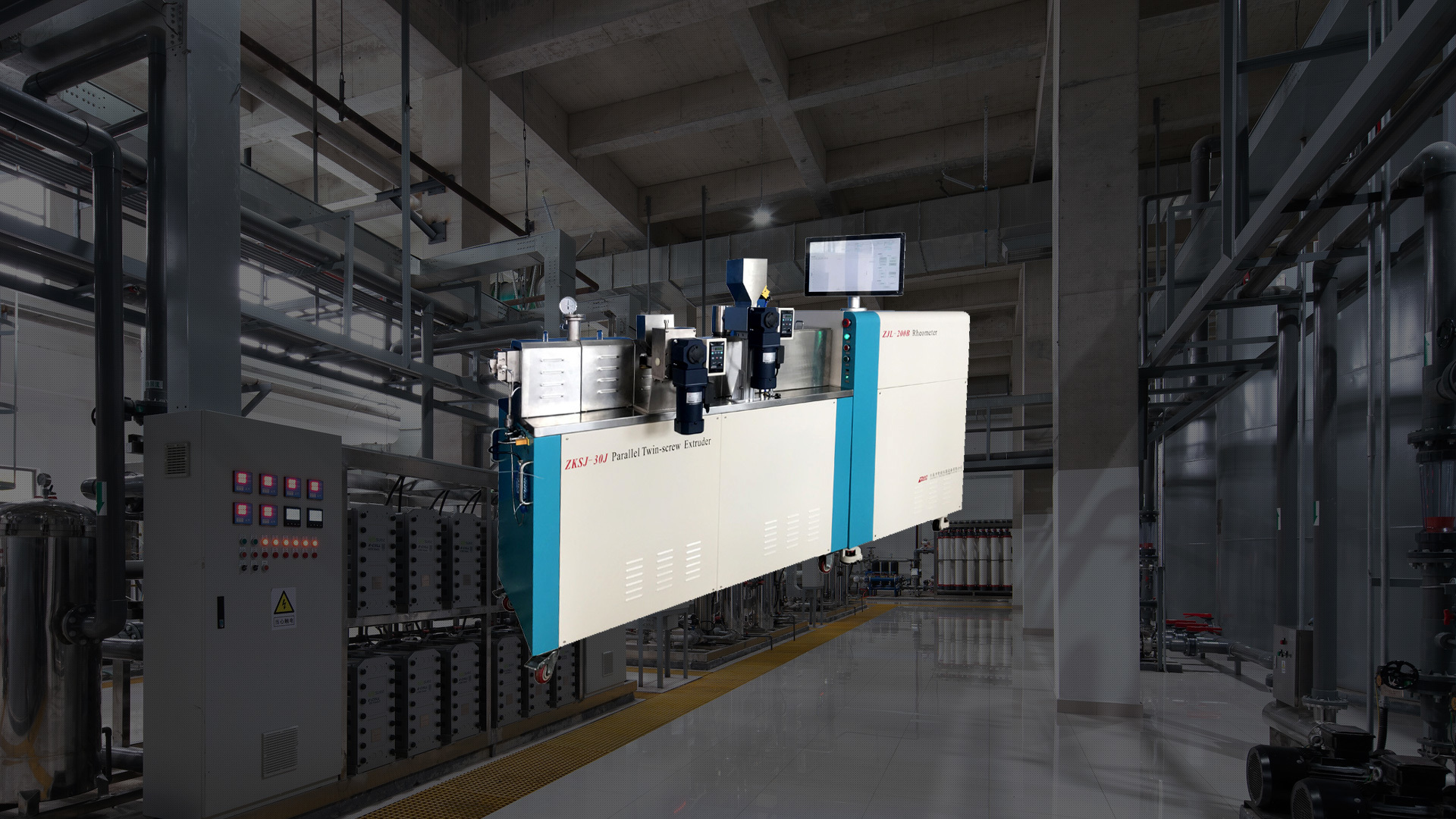
Best-selling product #1-Torque Rheometer

Best-selling product #1-Torque Rheometer

Helps R&D engineers better understand formulations. Simulates production conditions and guides production based on the resulting data curves.
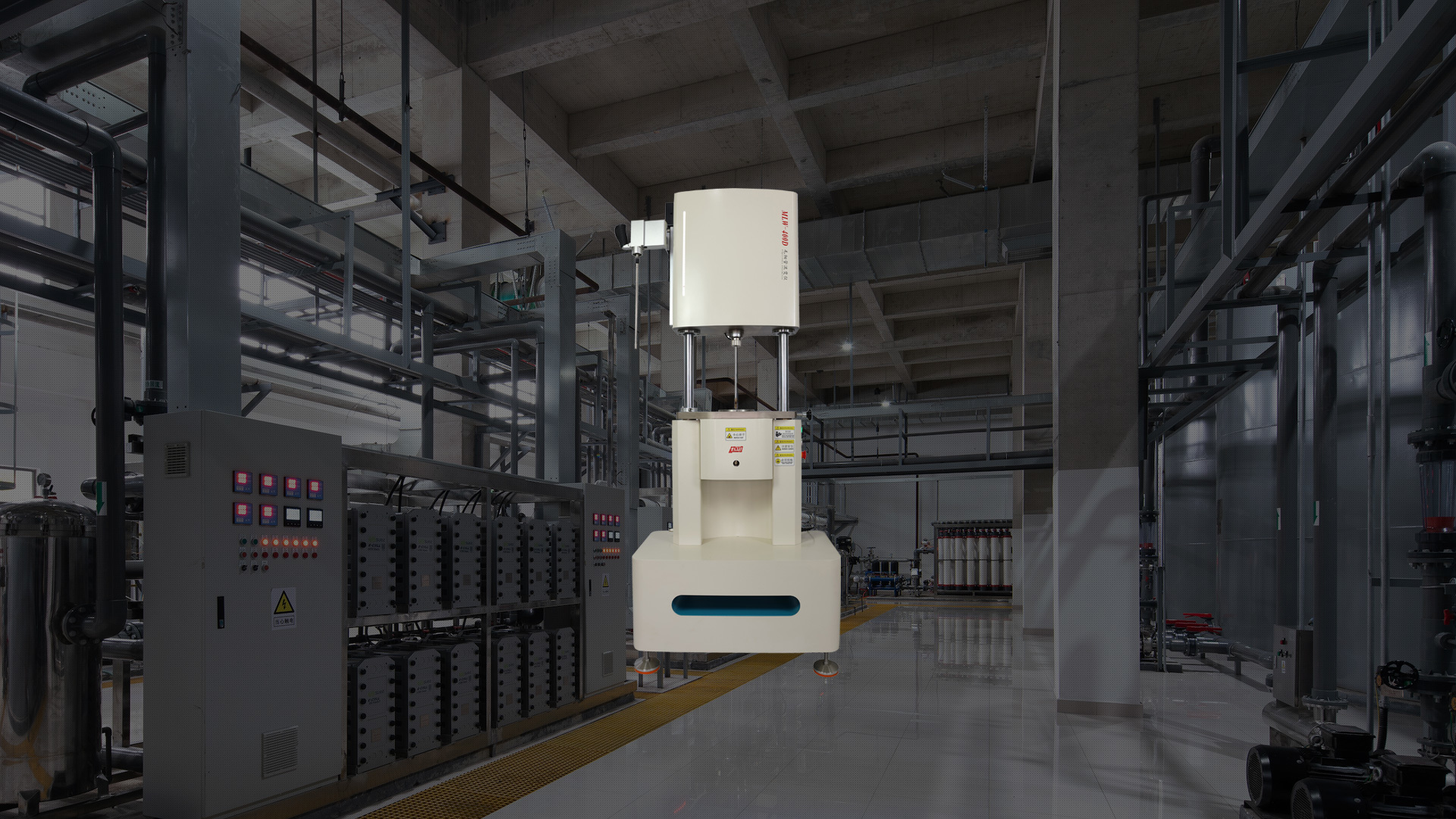
Best-selling product #2-Capillary Rheometer

Best-selling product #2-Capillary Rheometer

'Shear Rate' 'Shear Viscosity' 'Shear Stress (5KN-20KN)' 'Flowability'
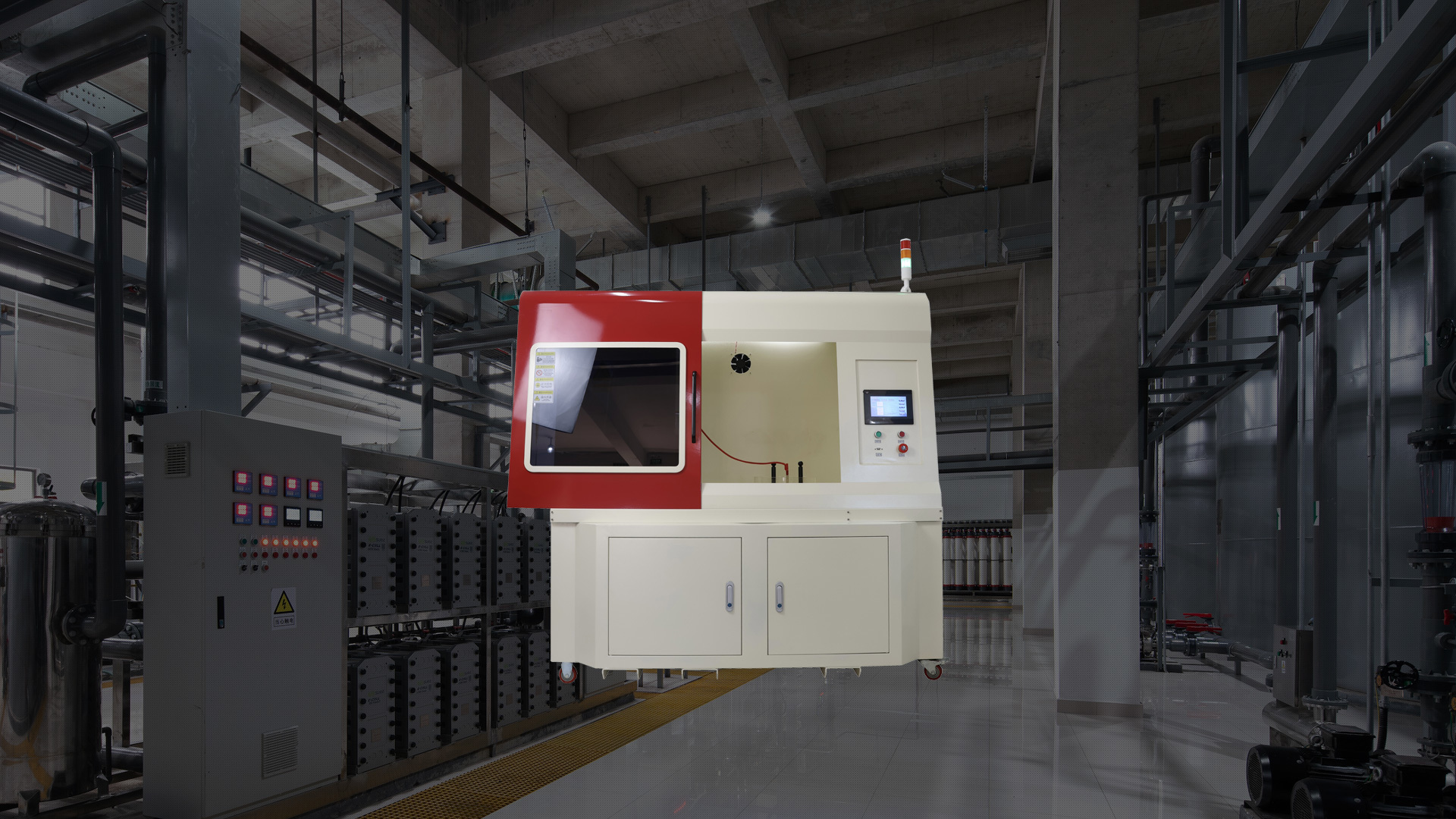
Best-selling product #3-Voltage Breakdown Tester

Best-selling product #3-Voltage Breakdown Tester

50KV-100KV-150KV DC/AC Integrated Power Supply
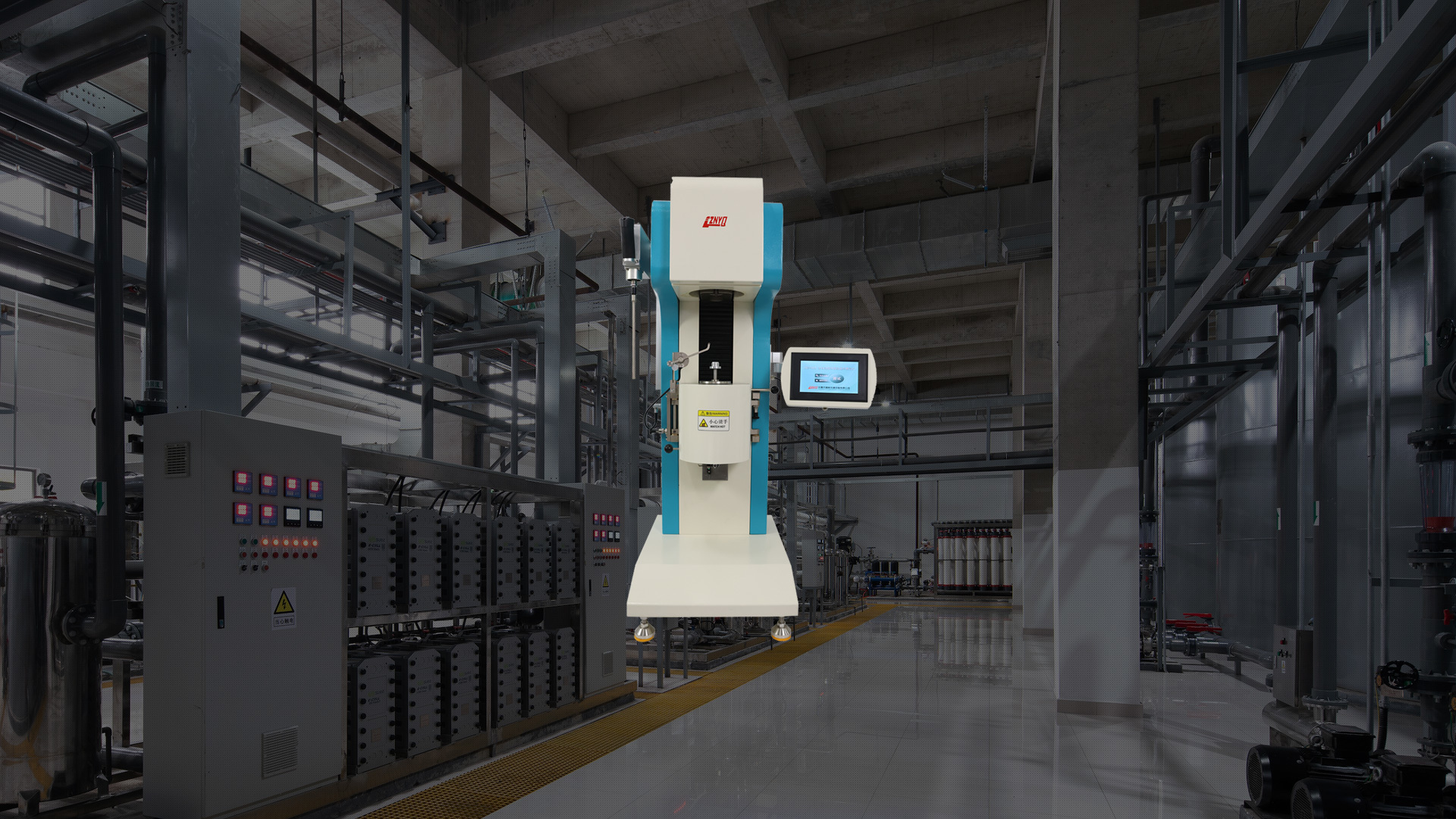
Best-selling product #4-Automatic Index Meter

Best-selling product #4-Automatic Index Meter

MVR/MFR 'Automatic Chamber Cleaning' 'Simple Operation' 'Accurate Results'

TESTING MACHINE

Product classification


about

Changchun Intelligent Instrument Equipment Co., Ltd.

Changchun Intelligent Instrument Equipment Co., Ltd., located in Changchun City, Jilin Province, China, is a technology-based private enterprise with outstanding strength.


The company was founded in 1989. After 35 years of ups and downs, the company has led the way in the field of testing machine development and production, becoming a pioneer in this industry in China. We focus on the R&D and manufacturing of optical……


Learn More >>
1989 Year

The company was founded in

35 Year

35 years of experience

45 People

Existing employees

25 People

Among them technical personnel

// PRODUCTS

CHOOSE OUR PRODUCTS

   WZY-I  Universal Sample Preparation MachineI. Applications:  The universal specimen preparation machine mainly consists of three parts: cutting, milling curved dumbbell-shaped specimens, and milling notched specimens. It is primarily used for preparing notched specimens for impact testing, dumbbell-shaped specimens for tensile testing, and rectangular specimens for Vicat, heat distortion, compression, and bending tests, as well as other standard test specimens for non-metallic materials such as plastics, plexiglass, fiberglass, and carbon fiber.II. Applicable Standards:GB/T1040,GB/T1043,GB/T1843,GB/T8004.2III. Functional Features:1. The WZY-240 universal sample preparation machine has been comprehensively upgraded. The notch section can prepare up to 24 samples at a time, and after the first batch of samples is processed, the next batch can be processed without tool resetting.2. The cutting section has optimized its structure, motor, and spindle, significantly improving precision. It is no longer limited to rough machining; rectangular samples can be directly cut into shape without secondary processing.3. The base connecting plate and other components are all integrally machined from 12mm thick medium carbon steel (non-welded), with a finely ground surface, ensuring the integrity and flatness of the equipment. The machine body has good rigidity, does not vibrate during sample processing, and has a long service life.4. Both dumbbell-shaped and notch-shaped samples have automatic feed functions, making operation simple, safe, reliable, and fast.5. Different types of samples, such as rectangular, dumbbell-shaped, and notch-shaped, require dedicated tools, eliminating the need for tool changes.6. It can process a wide range of materials, such as plastics, plexiglass, fiberglass, and carbon fiber.7. The 4-flute carbide large-diameter tool is wear-resistant, has good heat dissipation, and does not trap debris.IV. Main Technical Parameters:(a) Cutting section:1. Maximum cutting width: 260mm2. Maximum cutting thickness: 35mm3. Saw blade end mill specifications: 250×32×2mm4. Tool material: Carbide/CVD diamond coating5. Cutting error for rectangular samples: ≤0.2mm6. Spindle speed: 1450r/min7. Spindle motor power: 370W(b) Milling curves and dumbbell-shaped sections:1. Maximum milling length: 240mm2. Maximum milling thickness: 20mm3. Cylindrical end mill specifications: 30×12×30mm4. Cylindrical end mill material: 4-flute carbide/CVD diamond coating5. Milling dumbbell-shaped sample error: ≤0.2mm6. Spindle speed: 2800r/min7. Automatic feed rate: 0-216mm/min adjustable8. Spindle motor power: 180W9. Automatic feed motor power: 60W(c) Milling the notch section:1. Sample Type:Type A (R=0.25±0.025mm)Type B (R=1.0±0.025mm)Type C (R=0.1±0.025mm)2. Sample Quantity per Batch: 1-24 samples3. Tool Length: 50mm4. Tool Material: Carbide5. Spindle Speed: 1250r/min6. Automatic Feed Speed: 0-100mm/min adjustable7. Spindle Motor Power: 40W8. Automatic Feed Motor Power: 40W9. Overall Dimensions: 1130×720×950mm10. Net Weight: 350KgConfiguration List NameQtyUnitRemarkHost ComputerUniversal sample making machine Host Computer1PC Appendixdumbbell-shaped template1PC(115*6)Allen wrench1PC adjustable wrench1PC cutting tools for machining impact test notches3PC milling cutters1PCInstalledcutting tools for machining dumbbell or long strip shapes1PCInstalledpower cord1PC AccessoriesDocumentsinstruction manual1PC certificate of conformity1PC packing list1PC 

View Details +

                                                               WZY-I  Universal Sample Preparation MachineI. Applications:  The universal specimen preparation machine mainly consists of three parts: cutting, milling curved dumbbell-shaped specimens, and milling notched specimens. It is primarily used for preparing notched specimens for impact testing, dumbbell-shaped specimens for tensile testing, and rectangular specimens for Vicat, heat distortion, compression, and bending tests, as well as other standard test specimens for non-metallic materials such as plastics, plexiglass, fiberglass, and carbon fiber.II. Applicable Standards:GB/T1040,GB/T1043,GB/T1843,GB/T8004.2III. Functional Features:1. The WZY-240 universal sample preparation machine has been comprehensively upgraded. The notch section can prepare up to 24 samples at a time, and after the first batch of samples is processed, the next batch can be processed without tool resetting.2. The cutting section has optimized its structure, motor, and spindle, significantly improving precision. It is no longer limited to rough machining; rectangular samples can be directly cut into shape without secondary processing.3. The base connecting plate and other components are all integrally machined from 12mm thick medium carbon steel (non-welded), with a finely ground surface, ensuring the integrity and flatness of the equipment. The machine body has good rigidity, does not vibrate during sample processing, and has a long service life.4. Both dumbbell-shaped and notch-shaped samples have automatic feed functions, making operation simple, safe, reliable, and fast.5. Different types of samples, such as rectangular, dumbbell-shaped, and notch-shaped, require dedicated tools, eliminating the need for tool changes.6. It can process a wide range of materials, such as plastics, plexiglass, fiberglass, and carbon fiber.7. The 4-flute carbide large-diameter tool is wear-resistant, has good heat dissipation, and does not trap debris.IV. Main Technical Parameters:(a) Cutting section:1. Maximum cutting width: 260mm2. Maximum cutting thickness: 35mm3. Saw blade end mill specifications: 250×32×2mm4. Tool material: Carbide/CVD diamond coating5. Cutting error for rectangular samples: ≤0.2mm6. Spindle speed: 1450r/min7. Spindle motor power: 370W(b) Milling curves and dumbbell-shaped sections:1. Maximum milling length: 240mm2. Maximum milling thickness: 20mm3. Cylindrical end mill specifications: 30×12×30mm4. Cylindrical end mill material: 4-flute carbide/CVD diamond coating5. Milling dumbbell-shaped sample error: ≤0.2mm6. Spindle speed: 2800r/min7. Automatic feed rate: 0-216mm/min adjustable8. Spindle motor power: 180W9. Automatic feed motor power: 60W(c) Milling the notch section:1. Sample Type:Type A (R=0.25±0.025mm)Type B (R=1.0±0.025mm)Type C (R=0.1±0.025mm)2. Sample Quantity per Batch: 1-24 samples3. Tool Length: 50mm4. Tool Material: Carbide5. Spindle Speed: 1250r/min6. Automatic Feed Speed: 0-100mm/min adjustable7. Spindle Motor Power: 40W8. Automatic Feed Motor Power: 40W9. Overall Dimensions: 1130×720×950mm10. Net Weight: 350KgConfiguration List NameQtyUnitRemarkHost ComputerUniversal sample making machine Host Computer1PC Appendixdumbbell-shaped template1PC(115*6)Allen wrench1PC adjustable wrench1PC cutting tools for machining impact test notches3PC milling cutters1PCInstalledcutting tools for machining dumbbell or long strip shapes1PCInstalledpower cord1PC AccessoriesDocumentsinstruction manual1PC certificate of conformity1PC packing list1PC 

View Details +

          HGD-3000C Ring Stiffness Tester  This instrument is designed for the determination of the ring stiffness of thermoplastic pipes with a circular cross-section. It is also suitable for conducting flattening tests, ring flexibility tests, weld tensile tests, and similar procedures. Compliant with the testing standards for PE double-wall corrugated pipes, spiral-wound pipes, and various other plastic piping materials, it serves as an essential testing instrument for research institutes, quality inspection departments, and pipe manufacturers.The PC-based control software enables the real-time on-screen display of test force, peak force, crosshead displacement, test deformation, and test curves, offering intuitive and user-friendly operation. The system features overload, overcurrent, and overvoltage protection functions, and is equipped with an internal diameter measurement system capable of accurately measuring changes in the internal diameter of pipe specimens. The transmission system utilizes a distributed control architecture—comprising a PC and a microcontroller—to control a fully digital AC servo motor; this motor drives the moving crosshead vertically at speeds prescribed by relevant testing standards, thereby applying compressive force to the pipe specimen via a compression plate. The force measurement module employs a piecewise linear correction method to ensure the machine's high precision and exceptional stability. This series of ring stiffness testing machines has successfully obtained EU CE product certification.。  As stipulated in the standard *Determination of Ring Stiffness of Thermoplastic Pipes*, ring stiffness is determined based on the force values ​​and deformation measured while the pipe undergoes deformation at a constant rate. The pipe specimen is positioned horizontally; the compression speed of the parallel plates is determined according to the pipe's diameter, and pressure is applied to the specimen in a vertical direction by two mutually parallel plates. A reaction force is generated during deformation; the ring stiffness is calculated using the force measured when the deformation in the diametral direction of the pipe specimen's cross-section reaches 0.03 *di* (where *di* represents the inner diameter of the pipe specimen).   Complies with the requirements of standards such as GB/T 9647, ISO 9969, and ASTM D2122. Working Conditions:Ambient temperature: within the range of 10°C to 40°C;          2. Ambient relative humidity: within the range of 30% to 80%;3. Environment free from vibration and corrosive media;       4. Correctly installed on a stable foundation and leveled;5. Free from strong magnetic field interference during operation, and free from strong air convection in the surrounding environment. Ring Stiffness TesterMax. Test Force50 kNTest Force Accuracy±1% of Indicated ValueTest Force Measurement Range0 – 50 kNTest Force Indication ErrorWithin ±1.0% of Indicated ValueTest Force Resolution5/10,000 of Maximum Test ForceRelative Displacement Error±1% of Indicated ValueCrosshead Displacement Resolution0.001Crosshead Speed ​​Range0.1 mm/min – 500 mm/minEffective Compression Space3000 mmInner Diameter Measurement RangeΦ200 mm – Φ3000 mmRing Stiffness Test Width1100 mmPower Supply220 V ±10%, 50 HzMechanical StructureGantry TypeOverall Dimensions1300 (L) × 850 (W) × 3650 (H) mmLead ScrewBall Screw NameOriginQtyRing Stiffness FixtureZNYQ1setPipe Inner Diameter Measurement SystemZNYQ1setServo Speed ​​Control SystemImported1setLow-Noise ReducerImported1pcBall ScrewImported2pcsMicrocomputer and PrinterLenovoeach1Testing SoftwareZNYQ1set 

View Details +

THFS-IB  Plastic Carbon Black Dispersion Tester&THHL-990ACarbon black content tester I.THFS-IB  Plastic Carbon Black Dispersion TesterThis instrument is used to detect the color and carbon black dispersion in polyolefin pipes, fittings, and blends. By measuring the size, morphology, and distribution of carbon black particles, the intrinsic relationship between these parameters and macroscopic performance indicators such as mechanical properties, antistatic properties, and hygroscopic properties can be established. This will have a positive impact on the quality assurance of plastic materials, production processes, and new product development, while also promoting the rapid improvement of the technical level of enterprises and the industry.It meets the requirements of STANDARDS, GB/T18251, and ISO/DIS18553 standards. Professional image-based detection, high accuracy, and traceable measurement precision;Extensive measurement parameters covering rich information on the scale (equivalent diameter, major and minor axes, area, perimeter, etc.) and morphology (roundness, rectangularity, aspect ratio, etc.) of carbon black particles.Dedicated processing programs are designed for different user product series to ensure accurate extraction of carbon black components and reliable test results, with automatic completion from image acquisition to result output;Equipped with a flexible data analysis and reporting system, fully meeting users' personalized needs for statistical methods and report formats based on standard carbon black dispersion statistical report templates; an automated platform is available to improve the degree of automation in detection;Compatible with various acquisition devices (cameras or digital cameras) and different computers; Detection range: 1µm - 1cm;Imaging resolution: 3840*1040 (12-megapixel digital camera);Testing software: "Carbon Black Dispersion Detection System", compatible with Windows XP operating system;Precision-grade CCD camera system: Total pixels: 3840*1040;Synchronization system: Internal synchronization/vertical synchronization locking;Pixels: 12 megapixels.Sample window aperture: 4mm;ØTest area: 1.7 mm × 1.25 mm;Optical magnification: 40-1000x;Light source illumination angle: Transmitted illumination;Image size: 3840*1040; Power supply: 220V / 2A / 50Hz.Computer;                               1pcOptical microscope;                     1pcOebcam;Intelligent programming software.       1set Note: If Chinese standards are updated, software upgrades will be provided free of charge for life, without any additional fees.II.THHL-990ACarbon black content tester  This instrument is suitable for determining the carbon black content in polyethylene, polypropylene, and polybutene plastics. The carbon black content is obtained through gravimetric analysis of the sample after high-temperature decomposition under nitrogen protection. The instrument features segmented temperature control, ease of use, simple operation, reliable performance, accurate measurement, and automatic temperature control.It meets the requirements of GB13021-1991 and GB/T2951.8-97 standards.1. Test Temperature: Room temperature to 990ºC;2. Temperature Control: Full-program control with arbitrary setting, heating rate (1-40)ºC/min;3. Display Method: Chinese character LCD display, resolution 0.1ºC;4. Heating Tube Inner Diameter: Φ31×(400±50)mm;5. Power Supply: AC 220V 50Hz 3000W. NameModelQuantityMain UnitTHHL-990A1 unitHeating Furnace 1 unitCombustion Boat 10 piecesPower Cord 1 stick10A Fuse 5 piecesSensor 2 sticksHook 1 bundleTweezers 1 bundleRubber Tube1 meters/3 meters1 stick eachRubber Stopper with Glass Tube 2 sets 

View Details +

KDSC-500A  Differential Scanning Calorimeter 1. Functions:KDSC-500A can be employed for the characterization of a great variety of materials. It is used in polymers; and here not only in plastics and rubber processing, but also in the pharmaceutical and, food packaging and technical textiles.Differential scanning calorimeter (DSC) as a programmable temperature of the heating effect of the classical thermal analysis method, in today's all kinds of material and in the field of chemical industry research and development, process optimization, and quality control, quality control and failure analysis, etc. Various kinds of occasions have been widely applied. Using DSC method, we can accurately test the oxidation induction time of materials. Widely used in plastic, rubber, paint, food, medicine, biological organisms, inorganic materials, metal materials and composite materials standards-compliant:       GB17391-1998, ISO/CD11357/6CharacteristicsTouch screen display, display information is very more, including setting temperature, sample temperature, oxygen flow, nitrogen flow, differential thermal signal, all kinds of switch stateUSB communication interface, generality is strong, reliable communication don't interrupt, support the restore connection function.Furnace structure is compact, arbitrary adjustable cooling rate.Improved installation process, all adopt the machinery fixed way, completely to avoid contamination of furnace inside colloid to differential thermal signal.Double temperature probe, make sure the height of the sample temperature measurement repeatability. Temperature sensor is installed on furnace walls all the way, used for PID control of the furnace body temperature, but due to the temperature of thermal inertia, conduction to the temperature on the sample have some deviation, and deviation degree of four seasons is different, therefore, with one temperature probe temperature control and temperature measurement, differential thermal signals and temperature signals, the error is larger; The instrument in the bottom of the sample how to install a temperature probe, used to measure the real temperature of the sample, and used our special temperature control technology, control the temperature of furnace wall temperature to reach the set temperature.Digital gas mass flow meter atmosphere automatic switching two way traffic, fast switching and stable time is short.Standard samples, convenient customer constant temperature correction coefficient.Software adaptive resolution of computer screens, each software automatically according to the computer screen size to adjust the curve display mode. Support for notebook, desktop; Support the Win2000, XP, VISTA, Windows 7 operating system, etcSupport user programming procedures, to achieve fully automated measuring step. Software provides dozens of commands, users can according to your own measurement steps, and combined the orders, and save. Complex operation is simplified into a key operation.Parameters:Temperature range: RT-500℃Temperature resolution:0.01℃Heating rate: 1~80℃/min  Cooling rate:1~30℃/min  DSC range: 0~±500mWDSC resolution: 0.02mWWorking power: AC 220V 50Hz 300W or otherGas pressure:0.2MPaGas flow accuracy: 0.2mL/minConfiguration list:A DSC machine300 Aluminium cruciblesA power cords and a USB cableA CD (contains software and operations video)Oxygen airway and nitrogen airway, each 5mA operation manual 

View Details +

Sunlight simulation testing is an important means for screening formulas and optimizing product compositions in scientific research and production, as well as a key part of product quality inspection.

View Details +

Intelligent Instrument Equipment

If you are interested in our products, please leave your contact information!

// WHY CHOOSE OUR COMPANY

SOME REASON FOR CHOOSEOUR  COMPANY

// LEARN MORE ABOUT COMPANY NEWS

BLOG

Rheometer Selection Guide for Plastics R&D Companies


This article provides a professional rheometer selection guide for plastics R&D enterprises. It compares in detail the working principles, test data, application scenarios and core differences between capillary rheometers and torque rheometers, covering the needs of extrusion, injection molding, mixing, formula research and development, quality control, etc., helping enterprises make precise selection according to process types and improve R&D and production efficiency.

05-21